


Dental labs make crowns, dentures, retainers, and other restorations using the information dentists provide. Fabricating and producing oral appliances that function as intended depends on having complete information. Communication between the labs and dentists should be detailed, structured, and accurate to make sure the restorations meet clinical demands. Here is some of the information dental labs need from dentists:
Patient Data
To track materials, labs need the patient’s name and the case description. Proper recordkeeping enables the lab to identify and follow each order in the production process without errors. The documents should clearly include details such as the tooth number, arch, and restoration type.
The lab also requires information about a patient’s oral condition beyond basic identifiers. Some designs and restoration fittings may depend on gum health, bone density, and bite functionality. This information helps technicians visualize how the teeth function in relation to surrounding structures. The dental lab may request a brief description of any pre-existing orthodontic work, restorations, or occlusal adjustments to promote uniformity across treatments. They also need to know whether an appliance is for a single tooth, a bridge, or an implant-supported solution.
Impressions and Scans
Scans or impressions can affect how a restoration will fit in the mouth. Physical and digital impressions capture details such as contact points, margins, and bite surfaces. Impressions that accurately reflect the patient’s oral anatomy help provide a better fit, and this may minimize the need for re-adjustments. Dentists also examine and label impressions appropriately according to the corresponding tooth and arch before submission.
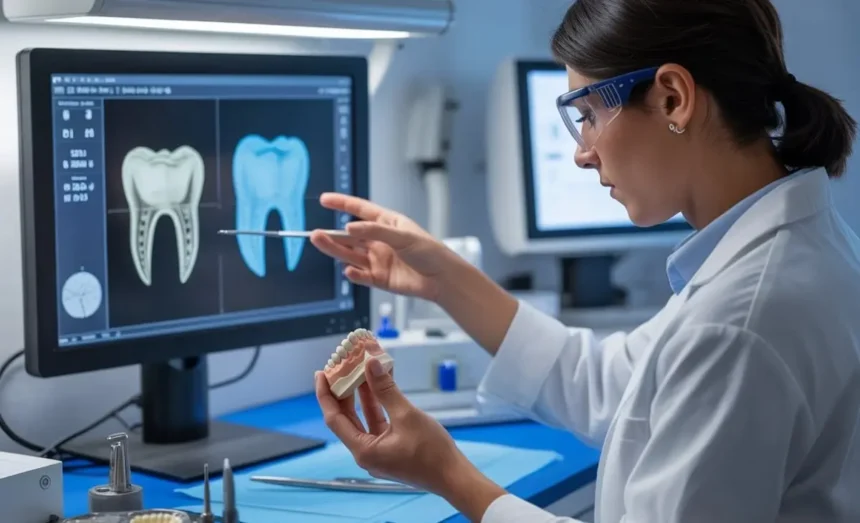
Digital workflows improve collaboration between clinical specialists and labs, but they also require regular scanning and file transfers. The digital files exchanged through intraoral scanners capture preparation margins, bite registration, and opposing arches. Accurate scanning measures allow technicians to create restorations that have the precise size and proper functionality. Software compatibility, file formats, and naming conventions should be compatible with the lab’s digital system.
Shade and Material Selection
Accurate shades help the restoration blend in naturally with the rest of the teeth; this promotes both functionality and aesthetics. Dentists provide shade information using standardized systems, such as the VITA guide, along with details about surface texture, translucency, and special color variations. Using natural, neutral light when taking photos may help achieve the right shade match.
Dental labs also rely on specific information about material selection. Whether the restoration involves zirconia, porcelain, composite, or metal alloy, the chosen material affects fabrication processes and finishing methods. The dentist’s prescription should clearly specify the material brand, opacity, and any additional requirements for layering or strengthening.
Bite Registration and Occlusion Data
Accurate occlusal records help create functional restorations that are compatible with the patient’s natural bite. Records of how the top and bottom teeth fit serve as references for the occlusal registration. Labs use this information to accurately replicate the patient’s natural bite movements when developing the restorations.
Bite relationship records from dentists include all relevant vertical and horizontal measurements. All bite discrepancies, articulator settings, and centric relation records should be thoroughly documented. Labs may also use information about previous restorative procedures or temporomandibular joint conditions to adjust the restoration; this helps promote comfort and stability.
Design Preferences and Finishing Instructions
Certain restoration design preferences allow dental labs to customize restorations according to the dentist’s expectations and clinical goals. These preferences may include:
- Crown shape
- Contact tightness
- Edge design
- Emergence profile
Anatomical and structural descriptions provide a visual and functional guide for technicians to use during fabrication. To clarify the design intent, dentists may supplement these instructions with drawings or annotated photos; this helps make them easier to interpret, potentially preventing errors. Including finishing instructions makes sure the restoration achieves the desired texture, shine, and appearance. Regular discussions of completion details also help the lab align the final work with the treatment plan and patient expectations.
Partner With Reliable Dental Labs
Effective communication between dentists and dental labs is key to creating functional and aesthetic restorations. The accuracy of each step in dental design and fabrication depends on the thorough presentation of case information. Detailed information allows labs to work more precisely, and this can reduce re-adjustments and maintain a smooth workflow. If you’re looking for reliable fabrication outcomes, partner with a dental lab that prioritizes collaboration, precision, and consistent communication.