



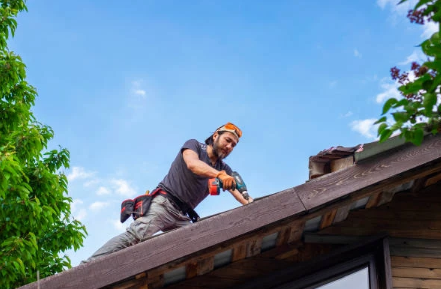
Shingles get all the attention. They are visible, familiar, and easy to blame when something goes wrong. But focusing only on shingles misses the bigger picture. A roof is a system, and some of its most important components stay hidden until they fail. By the time homeowners start researching Home roof repair services in New York, the real problem often has little to do with shingles at all.
Understanding what actually keeps a roof working changes how problems are identified and why repairs become necessary.
Why Shingles Are Only the Surface Layer
Shingles are designed to take the first hit from weather. They deflect water, block sunlight, and absorb wind pressure. Their job is important, but limited.
When shingles wear out, they expose deeper layers. Those layers determine whether the roof can continue functioning or whether damage spreads quickly. A roof with aging shingles can still perform well if everything underneath is intact. A roof with perfect shingles can fail if deeper components are compromised.
This is why focusing only on surface appearance is misleading.
Underlayment Is the Real Safety Net
Beneath the shingles sits the underlayment. This layer acts as the roof’s backup defense against moisture. When shingles crack or lift, underlayment prevents water from reaching the structure.
Over time, underlayment dries out, tears, or loses adhesion. When that happens, even small shingle issues allow water to move freely into the roof system.
Because underlayment is hidden, its condition is rarely considered until damage becomes visible inside the home.
Flashing Controls the Most Vulnerable Areas
Flashing protects roof joints, edges, and penetrations. Chimneys, vents, skylights, and valleys all rely on flashing to stay watertight.
When flashing fails, water bypasses shingles entirely. It enters directly at joints, where framing and decking are exposed. This causes damage faster and deeper than surface wear ever could.
Flashing problems often drive the need for Home roof repair services in New York even when shingles appear relatively intact.
Decking Determines Structural Stability
Roof decking supports everything above it. It carries the weight of materials, snow, and temporary loads. When decking weakens, the entire roof system suffers.
Moisture damage to decking happens slowly. Wood absorbs water, softens, and loses strength over time. This reduces the roof’s ability to hold fasteners securely.
Once decking is compromised, surface repairs become less effective. The roof loses its structural reliability even if outer layers look acceptable.
Ventilation Controls Heat and Moisture
Ventilation plays a bigger role in roof health than most people realize. Proper airflow regulates temperature and moisture levels beneath the roof.
Poor ventilation traps heat in warm months and moisture in cold months. This stresses roofing materials from below, shortening their lifespan. Shingles age faster. Wood components weaken. Sealants fail earlier.
Ventilation issues often exist for years without obvious symptoms, quietly undermining the roof system.
Fasteners Hold the System Together
Nails and fasteners seem insignificant, but they determine how well the roof stays intact under stress. Over time, fasteners can loosen due to expansion, contraction, and vibration.
Loose fasteners allow movement. Movement creates gaps. Gaps allow moisture entry. This chain reaction accelerates deterioration across the roof.
Because fasteners are hidden beneath materials, their condition is rarely assessed until problems escalate.
Sealants and Adhesives Age Faster Than Materials
Sealants are flexible by design. They move with the roof as temperatures change. Over time, that flexibility disappears.
As sealants dry out and crack, small openings appear. These openings allow repeated moisture exposure. Each exposure weakens surrounding materials slightly more.
Because sealant failure does not cause immediate leaks, it often goes unnoticed until damage spreads.
Drainage Paths Protect the Entire System
Roofs rely on gravity to move water away. Valleys, edges, and slopes must remain clear and properly shaped.
When drainage paths are blocked or altered, water lingers where it should not. Prolonged moisture exposure damages materials not designed for standing water.
Drainage issues often develop slowly and contribute to widespread deterioration without obvious surface signs.
Why Repairs Focus Beyond Shingles
When professionals inspect roofs, they look past shingles quickly. They focus on joints, layers, airflow, and structure.
This approach explains why homeowners are often surprised by the scope of recommended work. The visible surface rarely tells the full story.
By the time people seek Home roof repair services in New York, the issue usually involves multiple components working together or failing together.
Shingles Fail Last, Not First
Shingles are often the last component to show obvious failure. By the time they break or go missing, deeper layers have already been under stress.
This is why replacing shingles alone does not always solve roof problems. The system beneath must be sound for surface materials to perform properly.
Understanding this helps homeowners make sense of why roof issues feel complex and interconnected.
Seeing the Roof as a System Changes Everything
A roof works because its parts support each other. When one component weakens, the others absorb the load until they cannot.
Focusing only on shingles overlooks the parts that matter most. Recognizing underlayment, flashing, decking, ventilation, and fasteners as critical components explains why roof damage develops quietly and spreads widely.
When homeowners finally explore Home roof repair services in New York, the real work often begins below the surface.