



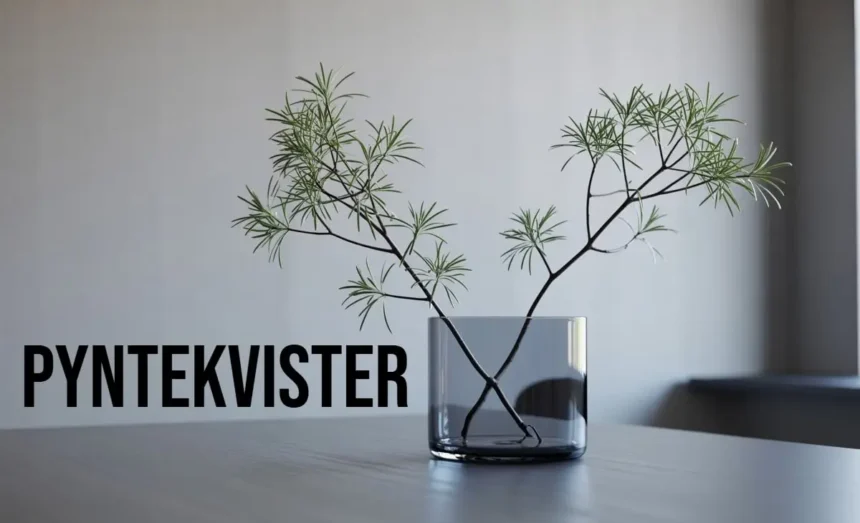
In a world full of bright colors, bold statements, and rapid change, sometimes the gentlest elements leave the deepest impression. Pyntekvister, a term rooted in Scandinavian design culture, embodies this idea. It refers to decorative twigs or branches artfully arranged to bring natural elegance indoors. When used thoughtfully, Pyntekvister can transform a space — adding texture, seasonal resonance, and a quietly refined aesthetic.
The Origins and Cultural Roots of Pyntekvister
The word “Pyntekvister” comes from Norwegian (and is also used in Danish), literally translating to “decorative twigs” or “ornamental branches.”
In Nordic culture, where nature and the seasonal cycle play a central role in daily life, Pyntekvister emerges from traditions of using branches for rituals, celebrations, and symbolic decoration. For centuries, Scandinavians have cut branches during seasonal changes, adorning them to mark rebirth in spring, harvest in autumn, or light in dark winters. These arrangements carried both aesthetic and symbolic meanings — fertility, renewal, purity, or endurance.
Over time, the practice evolved from ritual adornment into a subtle design principle. Rather than being limited to holidays, Pyntekvister became a year-round interior feature, offering a bridge between the outdoor environment and indoor spaces.
Symbolism and Meaning Behind Pyntekvister
What makes Pyntekvister more than just decorative? The symbolism behind the branches gives them emotional depth:
- Seasonal awareness: By changing the branches with each season — budding twigs in spring, leafy ones in summer, dried or bare ones in winter — Pyntekvister reflects time’s passage and nature’s rhythm.
- Balance and simplicity: The minimal yet deliberate placement of branches mirrors Scandinavian design values: less is more, focus on texture rather than color overload.
- Connection to nature: In urban living, Pyntekvister offers a tactile link to outdoors — reminding inhabitants of trees, wind, growth, and cycles.
- Mindfulness and intention: Arranging and caring for branches becomes a meditative practice. Each selection and placement can carry intention — what you choose to bring into your home.
Thus, Pyntekvister is not mere decor; it carries poetic value. It invites stillness, observation, and a respect for subtle natural beauty.
How to Choose and Prepare Branches
Selecting the right branches is the foundation of good Pyntekvister.
Choosing Branch Types
- Birch: clean, light-colored, classic Nordic feel
- Willow: flexible lines, elegant curves
- Cherry or apple: budding or blossoming branches add a delicate floral touch
- Dogwood or forsythia: used often in spring decorations
- Evergreen twigs: for more durable, year-round options
When selecting, prefer branches with interesting shapes or subtle asymmetry — avoid overly straight or uniform ones, since natural irregularity adds character.
Preparing the Branches
Before placing them in your home, do:
- Cleaning: Remove dust, loose bark, insects. Gently wash or brush if needed.
- Drying: Allow branches to dry fully in a well-ventilated area to prevent mold or pests.
- Trimming: Cut off small undesirable offshoots; shape ends cleanly.
- Stabilizing: For tall branches, insert them into heavier vases or anchor them in decorative stones or sand for support.
By preparing carefully, the branches remain safe, clean, and visually pleasing for long periods.
Arranging Pyntekvister: Aesthetic Tips
The arrangement is where the art shows. A few guiding principles:
- Start with a focal branch: Begin with a dominant branch that directs the eye.
- Add supporting branches: Use smaller ones to fill balance.
- Play with height and depth: Don’t place all branches at same level — stagger them for dimension.
- Use simple containers: Clear glass, ceramic vases in neutral tones allow the branches to stand out.
- Respect negative space: Leave “air” between branches — the gaps are as important as the stems themselves.
Only this heading may use bullet points.
Applications in Modern Interiors
Pyntekvister is remarkably versatile. Whether your home style is minimalist, Scandinavian, rustic, or modern, these branch arrangements can add subtle visual interest without overpowering the space.
- In living rooms: placed beside sofas or windows, they soften harsh lines.
- In dining areas: a tall branch arrangement as a table accent can replace flowers for moist-free decor.
- In entryways: a simple branch in a vase can welcome guests with calm elegance.
- In office/nook: a bare branch can act as a subtle sculpture, adding verticality and nature.
In Scandinavian-inspired interiors especially, where natural light, neutral tones, and textured accents are favored, Pyntekvister fits seamlessly as a quiet complement to the overall design.
Seasonal Adaptation and Creative Ideas
One of the charms of Pyntekvister is its ability to shift with seasons:
- Spring: Add budding branches or soft pastel ribbons.
- Summer: Incorporate fresh green leaves or small blossoms.
- Autumn: Use dried leaves, berries, or golden hues.
- Winter: Use bare branches, or paint branches white/silver, include fairy light touches.
Another creative idea: hang small decorations, photos, or charms on the branches. Or use them to frame mirrors, windows, or wall art.
Modern artists also experiment by blending Pyntekvister with other materials — metal rods, glass orbs, wire elements — bridging tradition and contemporary expression.
Pyntekvister in Craft and DIY Culture
Because it uses natural, affordable materials, Pyntekvister is accessible for DIY enthusiasts. Creating your own branch decor becomes both artistic and sustainable. Projects may involve:
- Combining branches with dried flowers or grasses
- Gilding branch tips with gold or metallic accents
- Wrapping small lights or threads around twigs
- Arranging in multiple vases of varying heights for visual cluster
Engaging in Pyntekvister crafting encourages presence, creativity, and an appreciation for handwork in a digital age.
Challenges & Practical Considerations
While Pyntekvister offers beauty, some practical challenges exist:
- Maintenance: Dusting and occasional cleaning are needed.
- Fragility: Thin twigs may break if handled roughly.
- Space constraints: Very tall branch arrangements need ceiling height consideration.
- Allergies or pests: Use well-dried and cleaned branches to minimize issues.
By being mindful, these obstacles can be managed, and the benefits far outweigh them.
The Aesthetic and Emotional Impact
Why do people find Pyntekvister deeply appealing? Because it brings emotional resonance along with beauty:
- It grounds a space with organic presence.
- It invites reflection, as one might notice small changes over time.
- It bridges indoors and outdoors, offering continuity in seasonal experience.
- It speaks quietly, letting focused viewers find meaning without visual clutter.
In many ways, Pyntekvister aligns with the philosophy that true design doesn’t demand attention, but rewards it.
Conclusion
Pyntekvister is more than just a Scandinavian decor trend—it’s a gentle artistry that draws nature into our lives with subtlety and intention. Through carefully chosen, prepared, and arranged branches, it carries symbolism of seasons, balance, and connection. In modern interiors, it provides a way to evoke calm, texture, and depth without overwhelming the visual space.
For anyone seeking to bring meaning into home design—or simply add a quiet natural element—Pyntekvister offers an elegant and accessible path. At its heart, it reminds us that beauty can exist in minimal gestures.
FAQs
What does “Pyntekvister” mean?
It’s a Scandinavian term meaning decorative twigs or ornamental branches used in interior styling.
Why use Pyntekvister instead of flowers?
They last longer, require minimal care, and evoke a calm, natural aesthetic.
Which tree branches work best?
Birch, willow, cherry, dogwood, and evergreen twigs are popular choices.
Can I change the arrangement per season?
Yes — switching branches or decorative accents each season enhances visual resonance.
Is Pyntekvister suitable for small homes?
Absolutely — use shorter branches or group them in compact vases to suit smaller spaces.