



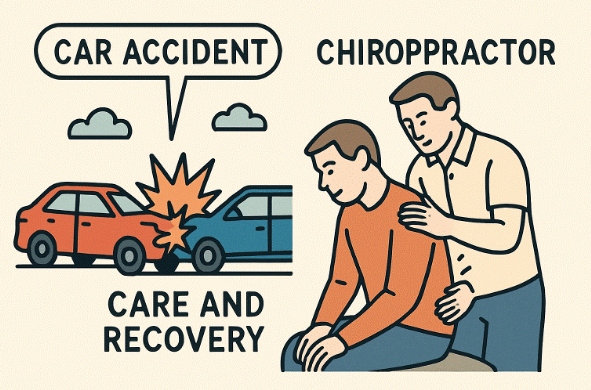
Understanding Common Injuries from Car Accidents
Car accidents frequently cause a spectrum of injuries, ranging from superficial wounds like minor bruises and strains to much more serious conditions such as whiplash, herniated discs, or even spinal misalignments. The abrupt force generated during a collision can jolt the body in unnatural ways, causing a cascade of biomechanical disruptions throughout the musculoskeletal system. These injuries can manifest as intense pain, limited range of motion, muscle spasms, and neurological symptoms, such as tingling or numbness. In severe cases, individuals might even experience persistent headaches, dizziness, cognitive difficulties, or issues affecting the pelvic floor, as sudden trauma can disrupt the muscles and connective tissues supporting the pelvis.
In addition to the aches and pains apparent immediately after a car accident, some injuries develop so gradually that they go unnoticed for days or even weeks after the incident. For example, soft tissue damage such as ligament sprains or muscle tears may not initially be painful but can result in lingering dysfunction if not addressed promptly. Problems like back pain, neck stiffness, and pelvic floor weakness are among the most frequent complaints associated with auto accidents. If left untreated, even seemingly minor issues may lead to chronic pain, restricted flexibility, or long-term complications related to the back, neck, joints, or pelvic region. As such, seeking prompt evaluation and care following any automobile collision is essential for your long-term health.
The Role of Chiropractic Care in Post-Accident Recovery
Chiropractic care takes a holistic approach to post-accident recovery, emphasizing the realignment of the musculoskeletal system and natural healing processes. After a car accident, it is not uncommon for the intricate network of bones, muscles, ligaments, and nerves to be disrupted. Chiropractors are specially trained to identify subtle misalignments in the spine and joints that often result from the force and impact of a car accident. They carry out meticulous assessments using hands-on examinations, specialized tests, and sometimes diagnostic imaging to pinpoint problems that may escape the attention of other healthcare providers.
Through non-surgical, hands-on adjustments and treatments, chiropractors help restore mobility, reduce inflammation, and alleviate pain, accelerating recovery. Their drug-free approach enables patients to avoid the side effects and dependency risks often associated with prescription pain medications. Each patient’s treatment protocol is tailored to their unique injury profile, age, and health status. In many cases, chiropractors collaborate with other healthcare professionals for integrated care, ensuring patients receive the most appropriate and effective interventions for their injuries.
According to the Mayo Clinic, treatments focused on motion preservation and gentle mobilization are especially important for conditions like whiplash, which can develop slowly and worsen without therapeutic intervention. Chiropractic approaches often promote faster recovery than rest or medication alone, reducing the likelihood of lasting pain or disability.
Benefits of Chiropractic Adjustments
Pain Relief: By performing targeted spinal adjustments, chiropractors relieve pressure on nerve roots and diminish inflammation, providing rapid, often dramatic pain reduction without the need for drugs or surgery. Many patients report significant improvements in their symptoms after just a few sessions.
Restored Mobility: Misalignments and soft tissue injuries following a car accident can severely limit physical movement, making day-to-day activities difficult and uncomfortable. Chiropractic treatment helps to restore normal joint and muscle function, thereby improving range of motion, muscle strength, and coordination. This enables people to regain their independence and return to their everyday routines, work, and hobbies more quickly.
Prevention of Chronic Issues: Early and effective chiropractic care can address the root causes of pain, significantly reducing the risk of developing chronic conditions, such as degenerative arthritis or persistent headaches. By realigning the spine, balancing muscle function, and correcting nervous system disturbances, chiropractors help patients avoid the cycle of recurring pain that sometimes follows an accident.
Addressing Hidden Injuries
Many injuries triggered by car accidents, particularly whiplash and micro-tears in soft tissues, do not show immediate symptoms. In fact, adrenaline and shock may initially mask discomfort, only for pain, swelling, or stiffness to emerge later. Chiropractors use a combination of clinical expertise, palpation skills, and diagnostic tools—including x-rays or digital imaging—to detect subtle problems before they develop into more serious, chronic conditions.
By thoroughly assessing alignment, nerve function, and muscle health, a chiropractor can identify and treat injuries that may otherwise go unnoticed during traditional medical examinations. This proactive approach helps minimize complications, speed recovery, and reduce long-term health risks.
Complementary Therapies in Chiropractic Care
In addition to manual adjustments, chiropractors often incorporate a range of complementary therapies into their treatment plans to promote faster and more effective healing: Soft Tissue Therapy: Hands-on techniques, including myofascial release, massage, and trigger point therapy, are employed to reduce muscle tension, break down scar tissue, and promote blood flow to injured areas. These therapies help restore normal tissue elasticity and prevent issues such as muscle adhesions or chronic stiffness.
Rehabilitation Exercises: Tailored exercise programs focusing on stretching, stabilization, and strengthening are prescribed to improve flexibility, restore balance, and ensure long-term recovery. Under the guidance of a chiropractor, these exercises not only support faster healing but also empower patients to take an active role in their own recovery process.
Some chiropractic clinics also offer additional modalities such as electrical stimulation, ultrasound therapy, and ergonomic counseling, which further address pain, inflammation, and injury prevention. Incorporating these complementary therapies ensures a comprehensive approach that maximizes your potential for complete and lasting recovery.
When to Seek Chiropractic Care After an Accident
Prompt chiropractic evaluation is crucial after any car accident, regardless of whether you perceive symptoms right away. In the immediate aftermath of a collision, adrenaline and shock can delay the onset of pain or mask symptoms, making it difficult to determine whether you have sustained injuries. Early intervention ensures that potential problems are detected and addressed quickly, which can prevent small issues from escalating into severe or persistent health concerns.
Even if you feel fine initially, it is wise to schedule a comprehensive assessment appointment if you have been involved in a collision. Chiropractors are skilled in detecting injuries that other healthcare providers might miss, and this attention to detail can be invaluable for your long-term well-being. Timely care not only accelerates healing and reduces the risk of complications but also supports proper documentation for insurance and legal claims—critical aspects if you are seeking compensation or coverage for medical costs.
Choosing the Right Chiropractor
Not all chiropractors have the same level of expertise or experience with car accident cases. When selecting a practitioner, prioritize those with a strong track record in trauma recovery and advanced training in treating auto accident injuries. It’s essential to verify professional licensure, board certifications, and membership in reputable organizations. Take time to read reviews, ask for recommendations from former patients, and schedule a consultation to discuss your specific concerns and goals.
Look for a chiropractor who demonstrates a patient-centered, comprehensive approach. This means taking the time to listen to your symptoms, collect a thorough health history, and explain recommended interventions in clear, accessible terms. The right chiropractor will develop a personalized treatment plan that addresses your unique health circumstances, preferences, and objectives, ensuring a safe and effective path to recovery.
Final Thoughts
Chiropractic care provides a comprehensive and holistic pathway to recovery after a car accident. By effectively treating both immediate pain and underlying injuries, chiropractors play a crucial role in helping patients regain mobility, confidence, and overall quality of life. Early assessment and personalized treatment remain the cornerstones of preventing chronic issues and facilitating a swift and complete recovery. If you have been involved in a car accident, consider reaching out to a qualified chiropractor to guide you through your recovery journey.