



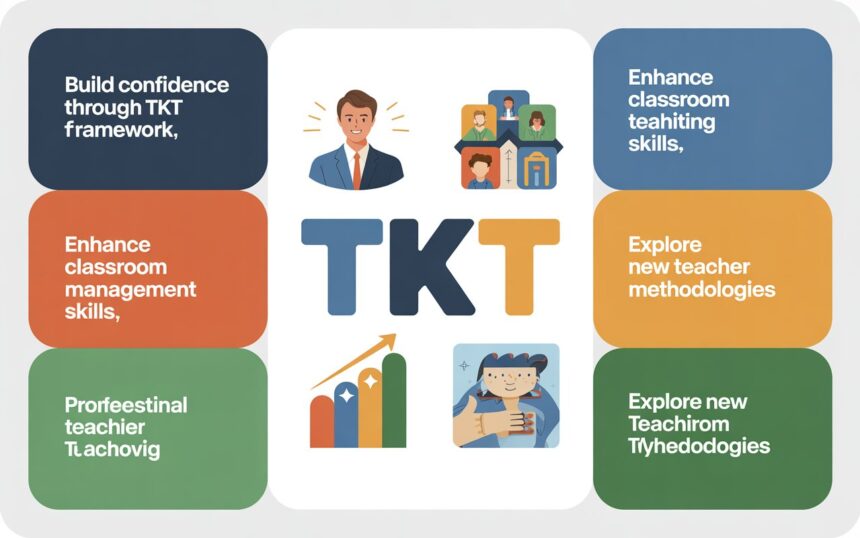
It’s one of those things that feels straightforward until you actually step into a classroom and realize, “Oh… okay, this is complicated.” That’s where TKT comes in. Not flashy, not dramatic, but somehow it quietly says: you know what you’re doing. Teachers often joke that it’s just letters, but it’s also a way to pause, take stock, and feel a little more confident in front of a room full of curious, sometimes tired, sometimes mischievous students.
Think of it like this: a teacher once mentioned to me—well, actually, I overheard it in a café—that they walked into a lesson terrified of losing control, but halfway through, remembered a technique from TKT prep, and suddenly it clicked. Confidence wasn’t instant, but it grew in that moment. Small steps.
Start With a Look in the Mirror
Before doing anything fancy, it helps to know where you stand. Seriously, just sit down and think about your lessons. Not “formal reflection”—just real thoughts.
- Which lessons make students actually smile?
- Where do things get messy or confusing?
- What topics make your own brain hurt?
One teacher admitted they spent an entire weekend just scribbling thoughts in a notebook. By the end, they realized patterns they never noticed. Turns out, noticing patterns is a secret superpower.
Watch, Learn, Copy
Nobody ever masters teaching alone. Some of the best tricks come from watching others, borrowing ideas, and tweaking them. There was this story—maybe true, maybe exaggerated—about a teacher who noticed a colleague putting sticky notes on students’ desks. The students loved it. The lesson stuck. The idea seemed silly at first. Sticky notes! But it worked.
Ideas to steal carefully:
- Peek into other classes (virtually works too).
- Swap ideas with fellow teachers.
- Ask someone to watch your lesson and give real feedback.
Let TKT Be a Friendly Guide
TKT isn’t some scary test; it’s a map of what good teaching looks like. Teachers often say preparing for it is like looking at their own classroom through fresh eyes. Suddenly, things you did without thinking—lesson planning, explaining grammar, handling disruptions—become things you can articulate and, importantly, improve.
Ways to make prep human-friendly:
- Mini flashcards for tricky grammar points (keep them silly if you want).
- Practice explaining concepts out loud like you’re gossiping with a friend.
- Chat about tricky classroom situations with colleagues.
Even a little effort here and there makes a difference.
Try Stuff in the Classroom (Yes, Messy Stuff)
Real learning happens in messy classrooms. One teacher shared that they tried a role-playing game with their students. It started to get chaotic. Students laughed, mispronounced words, one student acted like a pirate mid-grammar lesson. By the end, students remembered the material and had fun. Chaos included.
Small experiments you can try:
- Turn vocabulary into a little game.
- Quick informal quizzes.
- Ask students what works for them, not just what you think works.
Those small wins slowly pile up.
Jot Things Down
It might feel a little nerdy, but keeping track of what works helps a lot. One teacher had a “lesson diary”—a notebook with one success and one tweak per lesson. Over weeks, patterns popped out. Suddenly, when it came time for TKT prep, they had real-life examples ready.
Ways to reflect casually:
- Short notes or even voice memos.
- Record mock lessons to watch later.
- Chat with a mentor or friend about what’s working (or not).
Seeing your progress written down? Instant confidence booster.
Don’t Be Afraid to Experiment
Teaching changes all the time. Students, trends, even memes in the classroom shift. One teacher tried a flipped classroom: students watched grammar videos at home, then did activities in class. Week one? Complete chaos. A cooking video was accidentally played instead of grammar. Students laughed. Teacher laughed. Week three? Smooth, engaged students, and lessons that actually stuck.
Tips for trying new things:
- Small changes first; don’t revamp everything.
- Laugh at mistakes—they’re teaching gold.
- Keep a log of experiments and outcomes.
Think Globally
TKT gives a tiny peek into international standards. Not just bragging rights, but a new lens on teaching. Teachers often imagine: how would this lesson work in Japan, Brazil, or Spain? Funny, enlightening, sometimes terrifying.
Ways to get global:
- Join international webinars.
- Chat with teachers abroad online.
- Look at classroom case studies from different countries.
Even a little perspective makes lessons richer.
Find Mentors and Community
Teaching can feel lonely, but mentorship helps. One story: a veteran teacher paired with a newbie, both learning from each other. Watching someone grow teaches you just as much as teaching them.
Tips for connection:
- Online teacher communities are gold.
- Mentor someone—or ask for mentorship.
- Attend workshops, even virtual ones.
Community doesn’t just teach—it inspires.
Keep Skills Fresh
Language evolves, students change, and even tried-and-true methods get boring. One teacher tried a “classic grammar game” only to realize students already knew it. Ouch. Update, adapt, repeat.
Ways to stay current:
- Read blogs or short teaching articles.
- Attend webinars or workshops.
- Sprinkle in tech—apps, whiteboards, interactive games.
Small updates keep the classroom alive.
Celebrate Little Wins
It’s easy to forget your own growth. Teachers sometimes keep a “win jar” with notes, doodles, tiny reminders of success. One glance on a rough day? Instant boost.
Ways to celebrate:
- Write a small success in a notebook daily.
- Share achievements with colleagues.
- Treat yourself—a coffee, a snack, a little dance.
Even tiny wins remind teachers why they do what they do.