



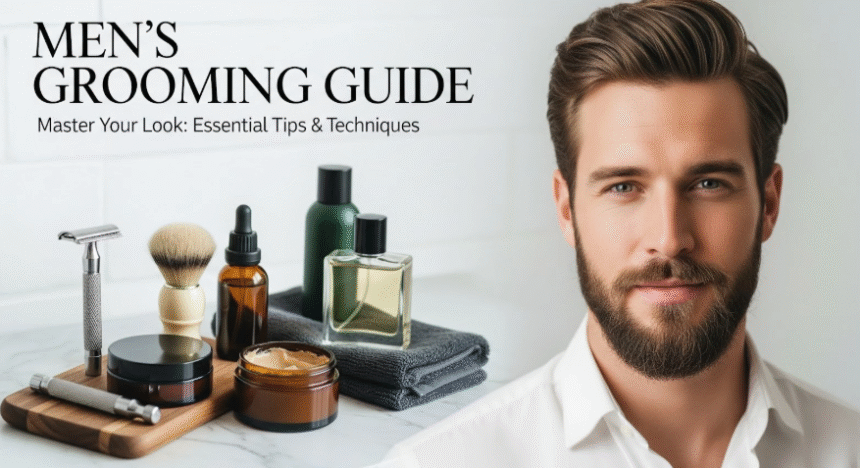
Reaching your 30s is a kind of turning point. You might be more established in your profession, you have figured out who you are, and you are over with the madness of experimentation in your 20s. Yet physically, it is also the decade where the “maintenance light” begins blinking on your dashboard. You may find that a late night appears on your face for days rather than hours, or that your hairline is receding back a little more quickly than ever.
It is a positive fact that you are in your 30s. That doesn’t mean it is the end of the world, but just that you need to be smarter about your routine. The collagen that is naturally produced in the body slows down and the rate of cell turnover becomes low; i.e., your skin does not recover as fast as it did before. On the same note, the hair follicles may start shrinking because of hormonal factors, so early intervention is very important. With a few strategic tweaks today, you will be able to conserve the appearance and health of your looks decades in the future.
Upgrading Your Skincare Routine: Best Practices for Men Over 30
The 20s were characterized by “less is more,” as they were the years when many guys took a splash of water and a bit of stolen lotion. When you are in your 30s, however, consistency is your new best friend. It is not about filling up a bathroom counter with hundreds of bottles, but about refining a few of the high-impact steps that actually work.
Sun Protection: The Foundation of Anti-Aging
Making a commitment towards sun protection every day is the most significant adjustment you can make. The damage caused by the sun is cumulative. Much of the visible aging that men experience in their 40s, such as deep wrinkling of the skin and the leathery look, is not caused in their 40s, but rather due to unguarded sun exposure in their 30s. No need to buy an extra beach sunscreen, only a lightweight daily moisturizer with the addition of SPF 30. It works in ten seconds in the morning and the payoff is immeasurably worth it in the long term.
Active Ingredients: Retinol and Vitamin C for Men
When you are willing to put serious consideration into men’s skincare, then it is time to incorporate ingredients that do more than clean or hydrate. It is the decade to get friendly with retinol. Used at night, retinol (a by-product of vitamin A) accelerates the cell turnover process. This keeps fine lines at bay as well as maintains clear pores. Begin with a slow pace—once or twice a week—to allow your skin to acclimatize itself.
Vitamin C is another strength. Vitamin C serum applied in the morning may serve to brighten up dull skin and prevent the effects of pollution and stress. It is a kind of insurance policy for your face against the day-to-day grind.
Moisturizing and Hyaluronic Acid: Why Hydration Matters
As you get older, your skin will no longer produce the same amount of oil and it will not be as naturally hydrated. This may result in dull, gray skin. You should have a good moisturizer, and it is preferable that it contains hyaluronic acid, which attracts moisture to the skin to make it appear plump and fresh. Use it two times per day: in the morning (with your SPF) and right before sleep to fix your skin as you rest.
Preventing Hair Loss: Strategies for a Receding Hairline
The most sensitive issue for men in their 30s can be the question of hair loss. At this age, about two-thirds of men will have lost some appreciable amount of hair. The worst error men commit is accepting the loss as a fact before taking any action. Hair is much easier to maintain than to grow back once it is lost.
Proven Treatments: Minoxidil and Finasteride
When you see the thinning, you do not want to waste time on so-called “miracle shampoos” which claim to deliver results overnight. Attend therapies that have clinical support. Minoxidil and finasteride are the two heavy hitters. Minoxidil is a topical agent that enhances blood circulation to the hair follicles, prolonging their growth period. Finasteride is a hormonal agent that prevents the production of DHT by testosterone, which narrows hair follicles.
Although there are infinite numbers of hair growth products available in the market, it is always best to rely on scientifically proven products. To determine the right combination of them, it is best to consult a dermatologist because the sooner you freeze the clock on recession, the better.
Scalp Health: Combatting Dandruff and Inflammation
Imagine that your scalp is the soil for your hair. The soil must be healthy or the crop will not grow. Dandruff or inflammation can in fact make hair thinning even worse in your 30s. The use of scalp massage can enhance the flow of blood to the follicles. There can also be easy modifications such as washing your hair frequently to wash out DHT accumulation, and washing your hair with a ketoconazole shampoo that will help to produce a healthier environment to grow in.
Natural Hair Growth Remedies: Rosemary Oil and Massage
In case you don’t want to use prescriptions to start with, there are some natural oils that have proved to be promising. Rosemary oil, for example, has been compared to low-dose minoxidil for improving scalp circulation in some studies. It is only necessary to keep in mind that essential oils should be diluted to prevent irritation.
Lifestyle Habits for Healthy Skin and Hair

You may apply the most costly creams and serums that money can buy, but when your internal engine is running on fumes, it will reflect. This is because your metabolism and recovery capacity change in your 30s, and the food you eat and the way you sleep directly influence the image in the mirror.
Diet and Nutrition: Foods for Collagen and Hair Strength
The saying that “you are what you eat” takes on a literal meaning in your 30s. High sugar diets cause inflammation which destroys collagen, a process known as glycation. In response, stock up on antioxidants that are present in berries, leafy greens, and nuts. These counteract the oxidative stress that accelerates aging of the skin and makes the hair follicles weak. Protein is also essential, as hair consists of a protein called keratin; in case you are not consuming sufficient protein, your body will prioritize essential organs over keeping your hair thick.
Managing Stress to Prevent Premature Aging
The 30s is the time when career and family demands are often at their highest levels, which results in an increased level of cortisol. Stress is also a killer of hair follicles and a significant contributor to skin eruptions and dullness. Although stress cannot be removed entirely, controlling its effects through exercise, meditation, or simply having 7-8 hours of proper sleep is quite a valid anti-aging measure.
Conclusion
The point is that you do not have to become a completely different personality who buys a vanity and obsesses over his looks to get through the 30s. It is more about changing from a reactive mentality to a proactive one. You can prevent aging with an SPF every morning and a retinoid at night, and watch your hairline to ensure you stay ahead of the curve. It is these little everyday investments that have you looking bright and confident so that you are truly enjoying your 30s as your best years.