




The Internet on the go has revolutionized the manner in which we work, study and entertain ourselves in an era where being connected is mandatory. Commuting, traveling abroad, or working remotely—having a reliable internet connection is no longer a luxury, but a necessity. The emergence of mobile-based connectivity tools, such as mobile hotspots and 5G-based devices, guarantees users that they can be connected to the digital world anywhere.
What Is the Internet on the Go?
Internet on the go denotes the use of high-speed and reliable internet whilst on the move or out of the reach of a standard broadband network. Mobile internet solutions, which connect via cellular networks like 4G LTE and 5G (including devices that create mobile WiFi hotspots), provide the ability to be online from almost anywhere with network coverage. This offers greater mobility compared to fixed-line solutions like traditional WiFi or wired connections, which are tied to a specific location. This elasticity allows workers, learners, and travelers to be productive and entertained at any kind of place they are, be it with internet on the go in the countryside or on busy urban streets.
Personally, using a GlocalMe portable mobile hotspot on a weekend trip to a remote location entirely transformed my workflow. I had the opportunity to participate in online conferences, post massive files, and watch video materials without any disruptions. The ease of access to a consistent internet connection anywhere brought out the importance of mobile connectivity in the contemporary world.
How Mobile Internet on the Go Works
Mobile internet on the go relies on a cellular network transmitting data to a mobile hotspot, which then broadcasts a local Wi-Fi signal. Users can connect various devices, such as smartphones, tablets, and laptops, to the hotspot. State-of-the-art equipment with cloud SIM technology allows seamless network switching worldwide, without the need for new SIM cards.
With the advent of the 5G technology, internet on the go has become very good. Users are able to enjoy real-time video conferencing, gaming and HD streaming with minimum delays as the speed is higher, the latency is lower, and the network is more stable. Such advances render mobile internet a feasible substitute for fixed broadband connections, particularly in regions that are not well-served by fixed broadband.
Benefits of Internet on the Go
The Internet on the go has far-reaching advantages. In the case of remote professionals, uninterrupted connection allows them to collaborate smoothly with the help of cloud-based tools, videoconferencing, and real-time file sharing. Learners and teachers have continuous access to online learning, educational videos and research databases.
The other important benefit is security. The dangers that are common in public WiFi networks include hacking and theft of information. Mobile hotspots provide personal encrypted networks, which are used to protect confidential data. At a personal level, I have utilised a GlocalMe hotspot to secure work-related files when using the unsecure networks in cities. This is an extra security feature that enables users to work anywhere without having to worry about it.
Choosing the Right Device
The choice of the appropriate internet on-the-go device is dependent on a number of factors. The coverage is essential; the equipment that can support multiple carriers or provide access internationally will guarantee that there are no dead spots. Battery life is important too, and the longer the devices can last, the more they enable one to stay connected to the internet without having to recharge the devices frequently.
Portability also matters. Compact, lightweight devices that fit easily into bags or pockets are the most convenient. Another current trend in hotspots is the provision of other functions, such as a power bank, where people can charge their smartphones or other devices and remain connected.
Role of 5G in Internet on the Go
The technology of 5G is revolutionizing the internet on the go. The 5G networks support real-time collaboration, support high-definition streaming, and responsive cloud-based applications due to the increased speeds, low latency, and high capacity of the 5G networks. This technology supports multiple devices connecting simultaneously without compromising performance, which is crucial for families, small teams, or digital nomads needing portable connectivity for numerous devices at once.
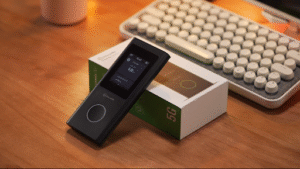
In one of my more recent work trips, I tried out a GlocalMe 5G mobile hotspot, which supports the connection of three devices at once. Video calls and presentations through streaming, as well as downloading large datasets, were all operated perfectly, even in places where the signals are generally weak. This revealed the way in which mobile hotspots with 5G can render internet on the go more reliable and accessible than ever.
Conclusion
Internet on the go has redefined digital connectivity, enabling fast, reliable, and secure internet access from anywhere. Portable mobile hotspots keep users connected, productive, and entertained in various settings, whether they are business professionals, students, or travelers.
Through personal experience with devices like GlocalMe, I’ve found mobile internet indispensable in today’s connected world, thanks to its portability, reliability, and security. With the expansion of 5G networks and ongoing technological advancements, mobile internet solutions will become even more seamless, enabling us to live, work, and play effortlessly while on the move.
FAQs
What is the internet on the go?
The feature of being able to use high-speed internet when moving or in areas where fixed broadband is not available, through the use of cellular networks or mobile hotspots, is known as Internet on the go.
What gadgets offer internet connectivity?
The most common solutions for mobile internet are portable mobile hotspots, 5G-enabled smartphones, tablets, and dedicated WiFi devices.
Is it possible to connect several devices to the same hotspot?
Yes, the majority of portable hotspots can connect several devices at the same time, allowing for individual or shared use.
Is mobile internet secure?
Encoded and personal networks provide greater security compared to open WiFi, and confidential information is secure.
Does it work worldwide?
Many mobile hotspots support cloud SIM or multi-carrier functionality which enables global connectivity without changing SIM cards.