



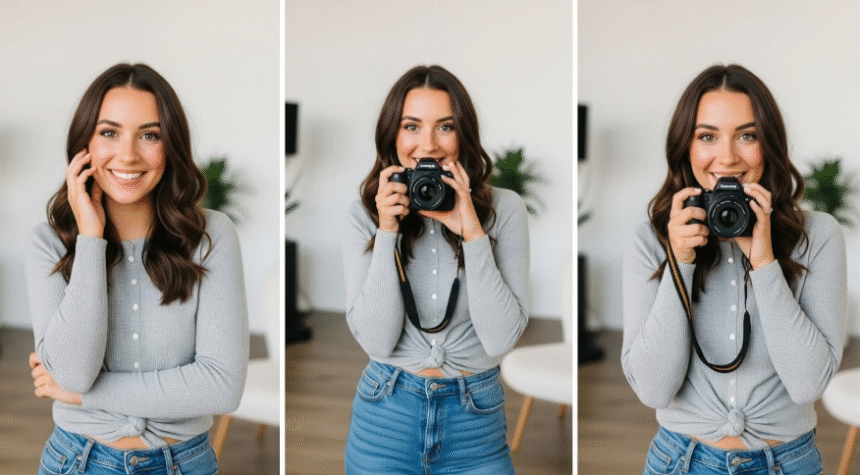
Honestly speaking, pressing that record button is a little intimidating. We all want to present the best version of ourselves, yet with harsh lighting and high-definition smartphone lenses, it is hard not to feel awkward. No matter the industry tips or behind-the-scenes secrets, being presentable on camera is not about being a supermodel; it is about eliminating clutter so your content can be received.
The good news? You do not have to own a professional studio to look good. You can elevate your Reel quality in a minute with a handful of deliberate decisions regarding your surroundings, your clothes, and your hair.
Best Lighting and Camera Angles for Video
Lighting is the most important aspect of video quality before you even start thinking about what you are going to wear. Poor lighting cannot be corrected with the best camera in the world. Natural light is your best friend; when you are filming, have the light strike your face, such as from a window, rather than from an angle or behind you. In case you are shooting at night or in a dark room, even a basic ring light may perform miracles, although it should be placed a little higher than the eyes to avoid unflattering shadows.
Angles are just as important. A common mistake is holding the phone too low, which creates a double chin effect. Instead, hold your camera lens at eye level or a bit higher. This is a universally flattering angle that makes you appear more in touch with your audience. A tripod or a stable object will help make your footage steady, instantly making your content seem more professional.
What to Wear on Camera: Best Colors and Patterns
Dressing is a big factor in appearing put-together. Cameras might have difficulties with narrow patterns (such as pinstripes or houndstooth), resulting in a vibrating “moire” effect on the screen. The most common and safest colors are solids.
Jewel tones, such as emerald green, sapphire blue, or deep burgundy, are excellent video colors. They offer deep contrast without blowing out the exposure (like solid white) or vanishing into the shadows (like solid black).
Other than color, consider style and structure. You want clothes that help you feel confident and professional. Those who want to add a taste of rare sophistication to their video wardrobe should consider NZ designer clothes, as these creators are frequently acclaimed for creating logical, wearable styles and innovative, intellectual forms that shine on a small screen. A structured blazer or a fitted top can help you sit and pose correctly, creating an impression of authority that translates well on video.
Hair and Grooming Tips for High-Definition Video
Video is captured in high definition, meaning it captures details we might not see in a mirror, including texture. On-camera appearance is one of the most challenging areas regarding hair texture—flyaways, in particular, may be highlighted by backlighting or studio lights.
You want to maintain a sleek appearance, which means staying hydrated. Frizz can be a result of dryness; therefore, a moisturizing leave-in conditioner will help provide a better foundation. When shooting in a wet climate or under intense light, apply a special frizz treatment to serve as a shield first. This coats your hair to prevent it from getting messy during the filming process.
In the case of your skin, you want a healthy glow without looking greasy. Use a small amount of translucent powder to calm the T-zone (forehead and nose), which is prone to light reflection. You do not have to apply much makeup; simply strive for an even skin tone so the camera can focus on your eyes and your smile.
How to Be Confident on Camera
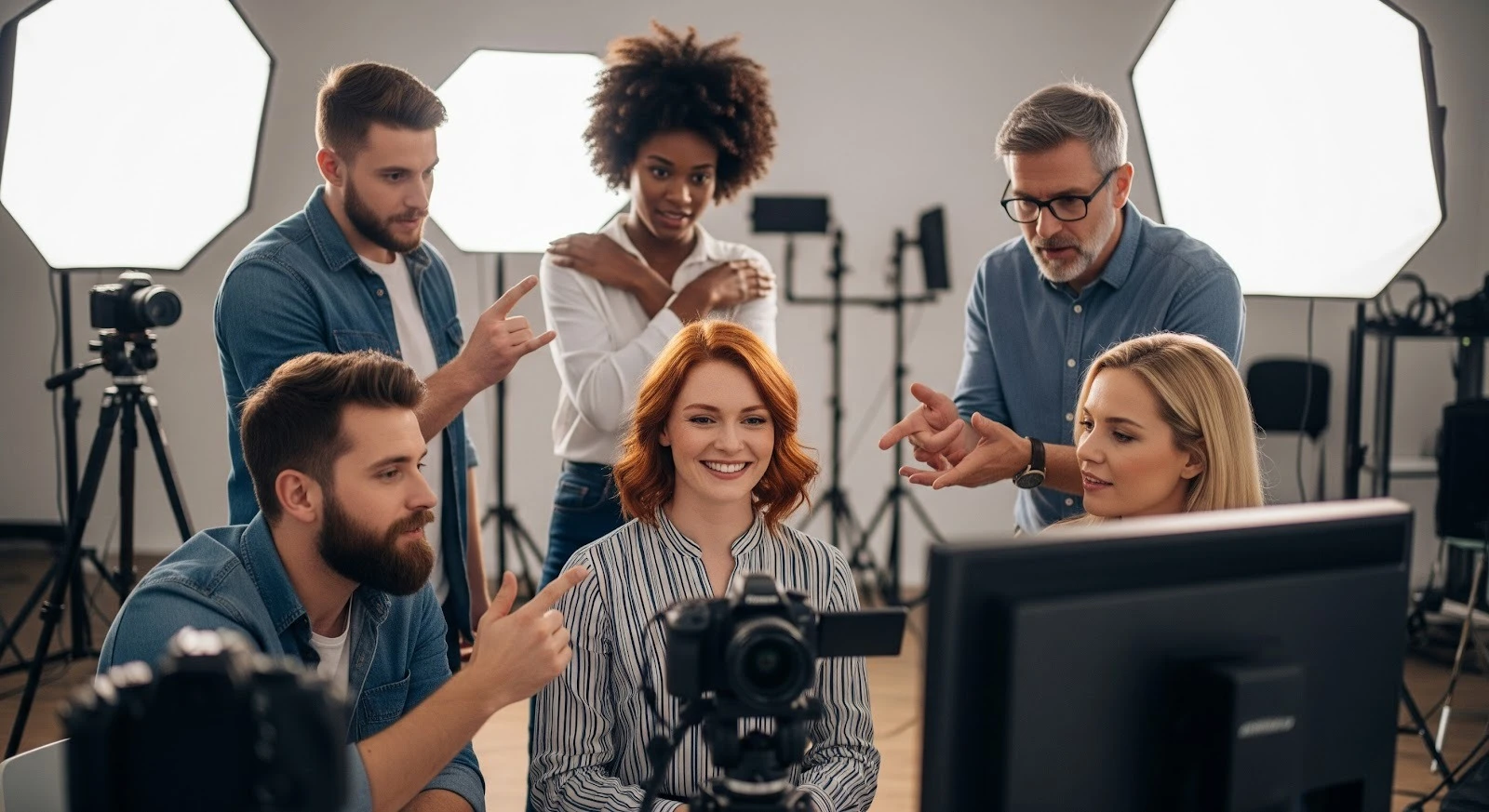
Lastly, looking presentable is simply a matter of confidence. You look at ease when you are comfortable in your setup and your garments. Sit up straight, draw your shoulders back, and stare straight into the camera lens—not at yourself on the screen. This mimics eye contact and develops trust with your viewer.
In case you stumble over your words, there is nothing to worry about. The beauty of Reels is that they are frequently brief and sharp. You can record videos in bits and edit them together, or just laugh it off—authenticity is often more interesting than perfection.
Conclusion
Being professional on camera does not require a Hollywood budget. You can make Reels look crisp and authoritative by focusing on good lighting, solid colors that pop, and controlling small details such as hair texture. The better prepared you are, the more your personality will shine through—and that is what truly stops the scroll.