



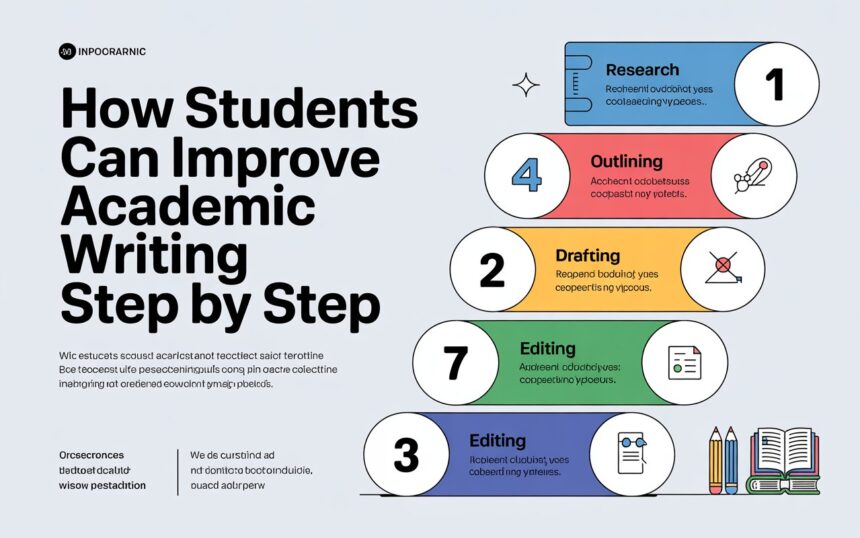
Why Academic Writing Is Important for Students
Academic writing is a key skill that students use throughout school, college, and university. Essays, reports, case studies, and research papers all depend on clear writing. Strong academic writing helps students explain ideas, share knowledge, and show understanding of a subject. It also builds skills that are useful in real life, such as critical thinking and clear communication.
Many students believe good writing comes naturally, but this is not true. Writing improves with practice, planning, and the right guidance. When students follow simple steps, academic writing becomes less stressful and more manageable.
Understanding Why Students Struggle With Writing
Academic writing feels difficult for many students because it has rules that are different from everyday writing. There are expectations about structure, tone, and referencing. When deadlines stack up, some students ask MyAssignmentHelp.com to take my online class for me while exploring academic work. This usually happens because of pressure, not a lack of ability.
The key is learning how academic writing works instead of fearing it. Once students understand the process, writing becomes easier and more predictable.
Read and Understand the Assignment
Before writing anything, students must understand what the assignment asks for. Rushing into writing without clarity often leads to poor results.
Students should:
- Read the instructions carefully
- Note the word count and deadline
- Identify action words such as analyze, compare, or explain
- Check formatting and referencing style
If something is unclear, asking the teacher early saves time and stress later.
Plan Your Ideas Before Writing
Planning is one of the most important steps in academic writing. A simple plan helps students stay focused and organized.
A basic plan includes:
- An introduction with the main idea
- Body paragraphs with one key point each
- A conclusion that summarizes the discussion
Planning does not need to be perfect. Even a short outline can guide writing and reduce confusion.
Write Clear and Simple Sentences
Good academic writing is not about using big or complex words. It is about being clear and direct. Short sentences are often better than long ones.
Students should focus on:
- One main idea per paragraph
- Clear topic sentences
- Simple explanations with examples
- Avoiding slang or casual language
Clear writing shows strong understanding and makes it easier for readers to follow the argument.
Use Sources Correctly
Academic writing often requires evidence from books, articles, or reliable websites. Using sources properly strengthens arguments and builds credibility.
Good source use includes:
- Choosing trusted academic sources
- Paraphrasing instead of copying
- Citing sources correctly
- Adding a reference list
Understanding how to use sources helps students avoid plagiarism and improves academic confidence.
Learn From Support, Not Shortcuts
Academic pressure can sometimes push students to look for quick solutions, to pay people to do your homework, but this guidance and examples can be helpful, true improvement comes from learning the process.
Students grow as writers when they:
- Review teacher feedback carefully
- Learn from mistakes
- Study well-written samples
- Practice regularly
Support should help students learn, not replace effort.
Step 6: Edit and Proofread Carefully
Editing is where writing improves the most. Many students skip this step, but it makes a big difference.
During editing, students should:
- Check grammar and spelling
- Improve sentence flow
- Remove unclear or repeated ideas
- Make sure each paragraph supports the topic
Reading the work out loud can help catch mistakes that are easy to miss when reading silently.
Read More Academic Content
Reading academic material helps students become better writers naturally. Articles, textbooks, and journals show how ideas are presented in a formal way.
Benefits of academic reading include:
- Better understanding of structure
- Improved vocabulary
- Stronger argument-building skills
- Increased confidence in writing style
Good readers often become good writers over time.
Summary: Writing Improves With Practice
Academic writing is a skill that develops step by step. No student becomes perfect overnight. By understanding assignments, planning ideas, writing clearly, using sources correctly, and learning from feedback, students can steadily improve.
With patience and practice, academic writing becomes less stressful and more rewarding. These skills not only improve grades but also prepare students for future academic and professional success.