




The entire business dilemma most artists have to deal with is that in order to achieve a production scale, they need to hold inventory that they cannot afford to maintain, or they can produce on-demand and that restricts sales volume. Before the arrival of the new business, traditional art enterprises had to decide whether to create a large production (which involves capital investment and warehouse capacity) or to create single pieces (the range of reach and profitability is limited). This mythical decision has deprived many talented artists of establishing viable businesses.
Print-on-demand technology is exactly what can help artists avoid this predicament and scale revenue without having to keep inventory, warehouse space and investments to make. The way to learn about the print-on-demand and why it is changing the businesses in art will help artists finally free the creative work of the logistic load. Print-on-demand is the revolution of business infrastructure that serious artists searching serious businesses have been seeking.
The Traditional Inventory Problem
The traditional art business models entail investment in inventory. An artist who intends to sell prints is presented with a choice between costly solutions: to create limited runs of prints that require a lot of capital and hope that they will sell in time before the cost of warehousing is equal to the profit, or to produce hundreds of units and use up warehouse space and generate an inventory control liability. Both options take money and resources away, as well as mental energy, out of real artistic work.
Inventory also brings about decision paralysis. Scaling scares away artists since the production will involve guessing what designs will sell, how many units to produce and the unsold inventory. These unknowns in business scare creative artists who are concerned with doing creative work, resulting in many underpricing work, making little work, or giving up scaling plans altogether.
Print-on-Demand Removes Inventory
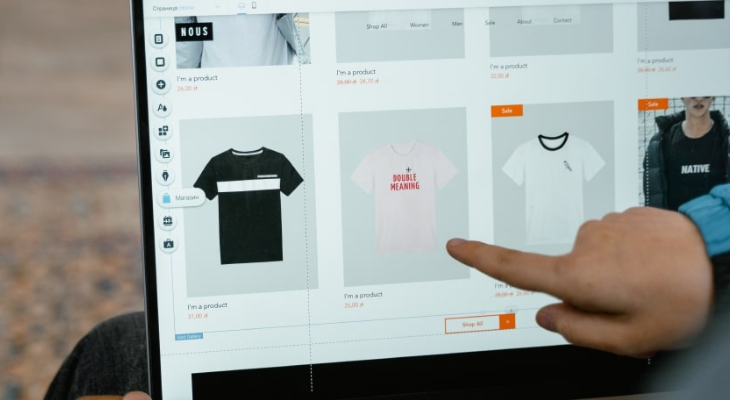
Print-on-demand is a game changer to this equation. Designs are uploaded by artists only once, and an artist is able to make an unlimited number of product listings without producing anything. Upon purchase, the customer forces the provider to produce and deliver the goods separately. This implies that artists scale without stock, warehousing expenses, and production risk.
Some in-house fine art printing and framing services such as Artelo do all the production logistics—source materials, equipment, quality control, shipping orders. Artists just concentrate on design and marketing where the provider does physical fulfilment. This skill separation in labor allows artists to focus on creative excellence and not operational logistics.
Financial and Operational Benefits
POD removes inventory capital investment. Artists do not require a warehouse, storage unit, and costly production production runs. Scaling is literally free- new designs are added and the watch sales scale up without needing infrastructure costs. This financial autonomy allows artists to get to experiment with designs, pilot, and test without the risk of capital.
Artists do not have nightmares with inventory management operationally. None of the tracking stock quantities, demand prediction, shipment control, or clearance of unsold stock. Production occurs automatically in case of automated integrations with Shopify, Etsy, and other websites. The orders are sent directly to the providers who produce and ship under the brand name of the artist.
Quality and Artist Control
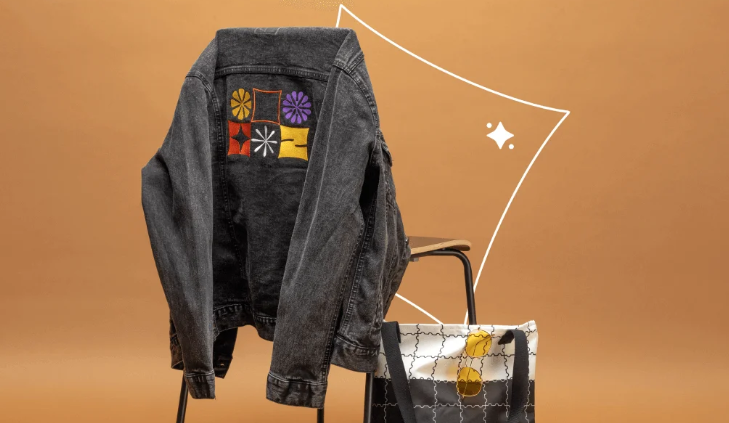
High-end print-on-demand services are as quality as traditional printing. Artists have full control of the brand–customers get the products with the branding of the artist and not the one providing them. This brand integrity maintains customer relationship and reputation of artists when it outsources fulfillment.
Enable True Artist Scaling
POD makes scaling realistic. A musician will be able to generate an annual income of $10,000 to $100,000+ without hiring people, stocking merchandise, or raising capital. It is possible to scale and retain the benefits of full time art practice, and do the creative work that results in great work in the first place.
Conclusion
Print-on-demand allows artists to develop sustainable scalable businesses with no inventory overheads, capital investment, or complex operations. This is because by isolating artistic creation and fulfillment logistics, artists can now concentrate on the aspect they are most excellent at, which is to create an outstanding work, whereas providers will be responsible of managing business infrastructure. To artists who are serious about creating viable art businesses, print-on-demand is the business technology that allows scaling finally to be available.